
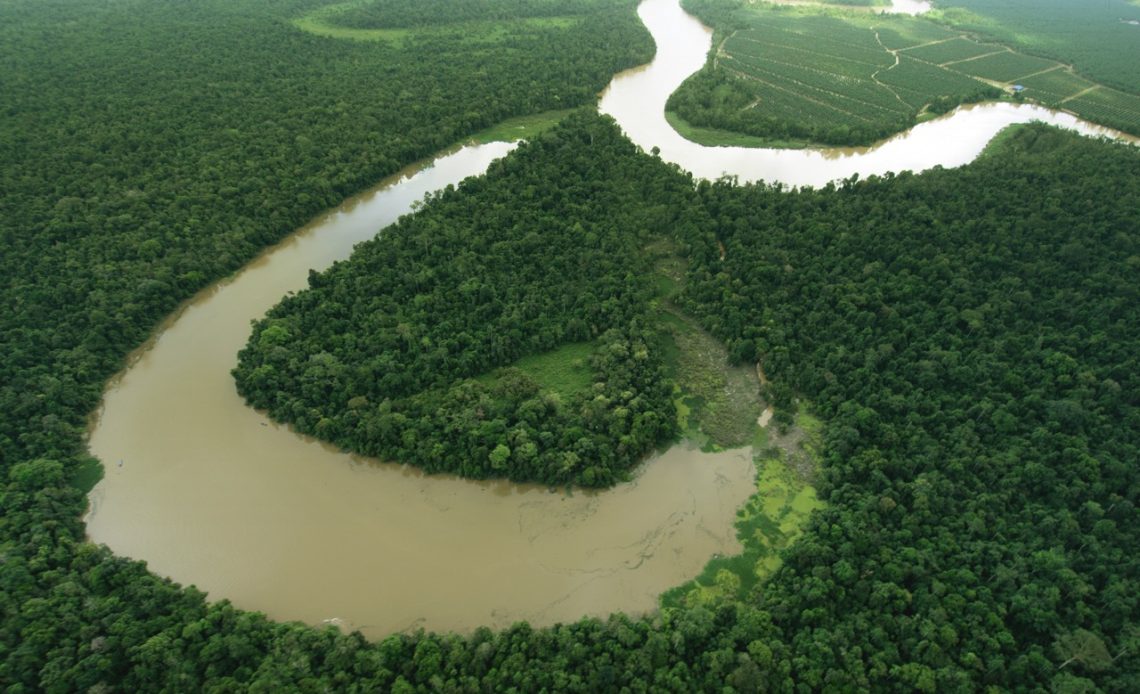
Ask most guides which single Sabah experience they’d choose if a visitor had time for only one, and a surprising number will say the same thing: a river cruise on the Kinabatangan, not Kinabalu, not Sipadan. Sabah’s longest river cuts through one of the last significant lowland forest corridors in Borneo, and the concentration of wildlife along its banks is difficult to match anywhere else in the state.
Why This River in Particular
The Lower Kinabatangan floodplain sits at the intersection of several habitat types — riverine forest, oxbow lakes, seasonally flooded swamp forest, and patches of remaining primary forest — compressed into a relatively narrow corridor squeezed between agricultural land on either side. That compression is precisely why wildlife density along the river is so high: animals that would otherwise range across a much wider forest are concentrated into the remaining strip still connected to water access.
What a Cruise Actually Looks Like
Most river cruises run in the early morning and late afternoon, timed around when wildlife is most active and river light is most favourable for both viewing and photography. A typical outing moves slowly along the main river and into narrower tributaries and oxbow lakes where boat traffic is lighter and wildlife more approachable, with guides cutting engines regularly to drift quietly past promising sightings.
What’s Regularly Seen
Proboscis monkey troops along the riverbank are close to a guaranteed sighting on most cruises, particularly in the late afternoon as they move down to feed and settle for the night. Bornean pygmy elephant herds appear less predictably but are a realistic possibility, especially for visitors staying multiple days rather than a single cruise. Long-tailed and pig-tailed macaques, monitor lizards, and — with patience — orangutans moving through riverside canopy round out the more commonly reported sightings, alongside a strong bird list that includes multiple hornbill species and kingfishers.
Sukau: The Traditional Base
The village of Sukau has long served as the main jumping-off point for Kinabatangan river cruises, with a range of lodges positioned directly on the riverbank for easy access to both the main channel and nearby tributaries. Staying overnight in Sukau, rather than a single day-trip, allows for the crucial early-morning and late-afternoon cruise windows without the added travel time that a day-trip from Sandakan or elsewhere would eat into.
A Conservation Story as Much as a Wildlife One
The Kinabatangan’s wildlife concentration exists partly because of active, ongoing conservation effort — forest corridors linking fragmented patches, community-based tourism initiatives that give local villages a direct financial stake in keeping riverside forest standing, and organised replanting programmes along degraded stretches. Choosing lodges and operators that visibly support these efforts, rather than purely extractive tourism operations, is one of the more direct ways a visitor’s spending can genuinely support the corridor’s long-term survival.
Best Time to Go
Wildlife along the Kinabatangan is visible year-round, since none of the resident species are migratory in the way the term is typically used. Rain does affect river levels and occasionally cruise routing, but rarely wildlife activity itself — meaning the Kinabatangan is one of the more forgiving Sabah destinations to build around a broader trip’s timing constraints, rather than requiring its own dedicated seasonal window.


