
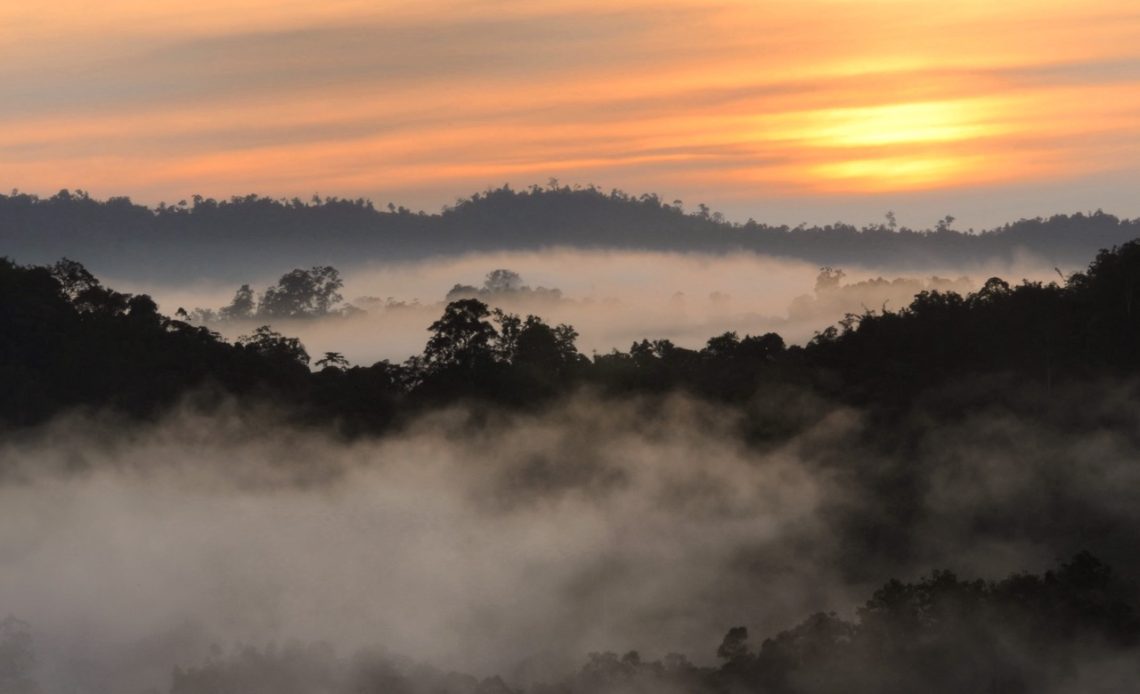
Sabah sits close enough to the equator that temperature barely shifts across the year — the real variable travellers need to plan around is rainfall, and how it affects different activities differently depending on the region and the wildlife involved.
The Northeast Monsoon (November–February)
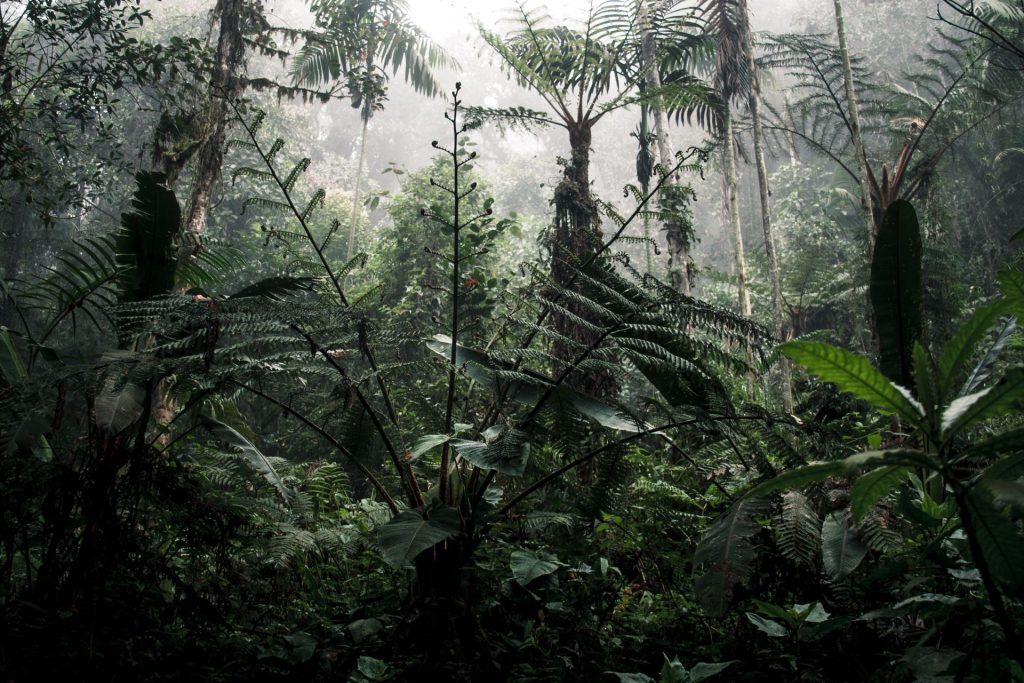
This period brings the heaviest and most consistent rain, particularly to the west coast and Kota Kinabalu. Rivers such as the Kinabatangan can run higher and faster, which occasionally affects river cruise routes but doesn’t typically stop wildlife viewing — wildlife along the riverbanks remains active regardless of rain, and lush, post-rain greenery can make for striking photography. Diving around Sipadan and Semporna is generally less favourable during this window, with rougher seas and reduced visibility being the main drawback.
March to May: A Transitional Sweet Spot
Conditions tend to stabilise through this stretch, with drier weather setting in before the mid-year peak season and its accompanying crowds. This is also when Kaamatan festivities build toward their late-May peak, making it a strong window for travellers interested in combining nature and cultural experiences in one trip.
June to August: Peak Season
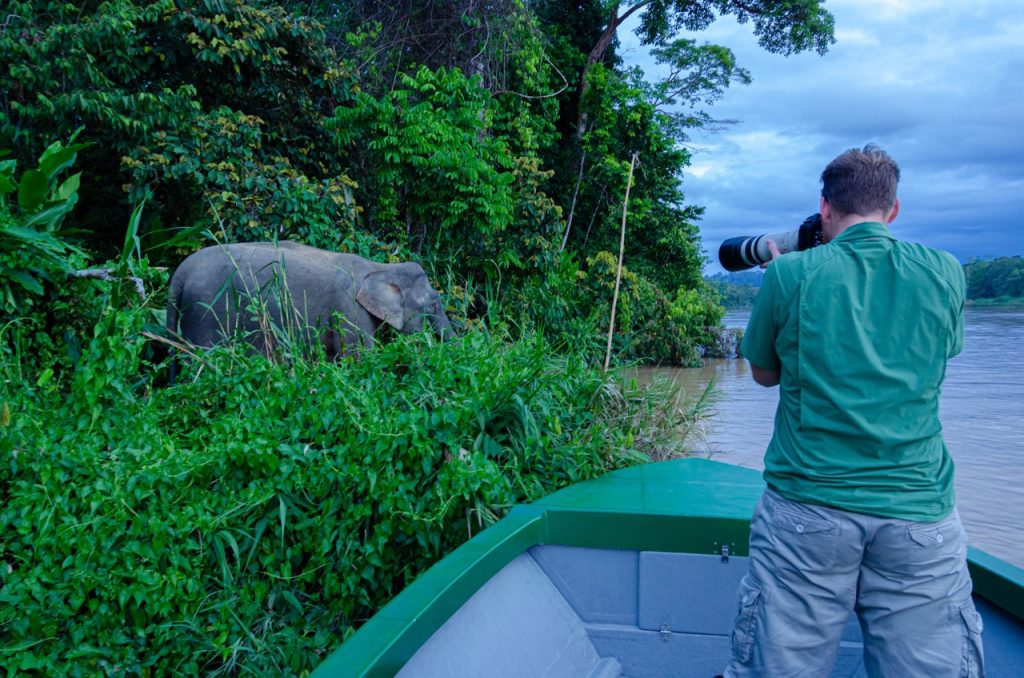
This is Sabah’s driest, most predictable stretch of weather, and it shows in visitor numbers — it’s peak season for a reason. Diving conditions around Sipadan and the Semporna Archipelago are typically at their best, with the clearest visibility of the year. It’s also the most reliable window for climbing Mount Kinabalu, though this is exactly when climbing permits sell out fastest, so booking well ahead matters more here than at any other time of year.
September to October: Quieter, Still Reliable
Weather generally remains favourable into early autumn before the northeast monsoon builds again, and visitor numbers ease off from the June–August peak. For travellers prioritising fewer crowds over guaranteed perfect conditions, this window offers a reasonable middle ground.
Wildlife Doesn’t Follow a Strict Calendar
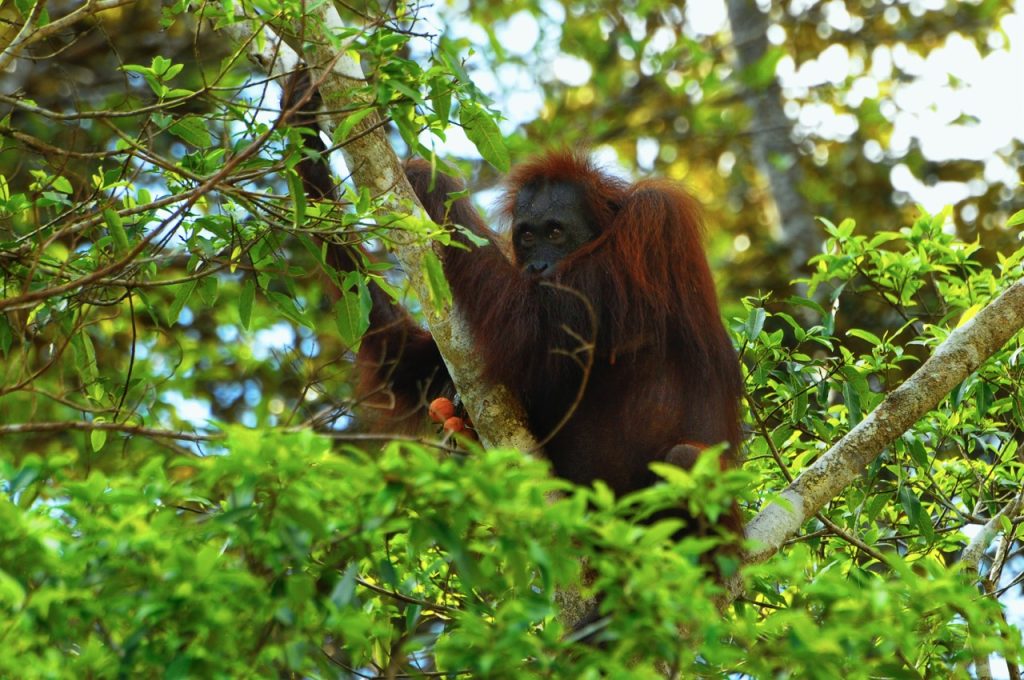
Unlike diving or climbing, most of Sabah’s signature wildlife — orangutans, proboscis monkeys, hornbills — can be encountered year-round, since they aren’t migratory in the way wildlife in some other destinations is. Rainforest fruiting cycles do shift sightings somewhat, with certain fig-fruiting events drawing in unusually high concentrations of hornbills, gibbons, and other frugivores for a few weeks at a time, but these events aren’t tied cleanly to a single predictable season and are better tracked through local guides than a general calendar.
The Practical Takeaway
There’s rarely a genuinely bad time to visit Sabah for nature and wildlife travel — the choice is really about which trade-off matters most: driest weather and best diving visibility (June–August, but busiest and requiring the most advance booking), a quieter shoulder season with still-solid conditions (March–May or September–October), or accepting more rain in exchange for lower prices and fewer crowds (November–February).


