
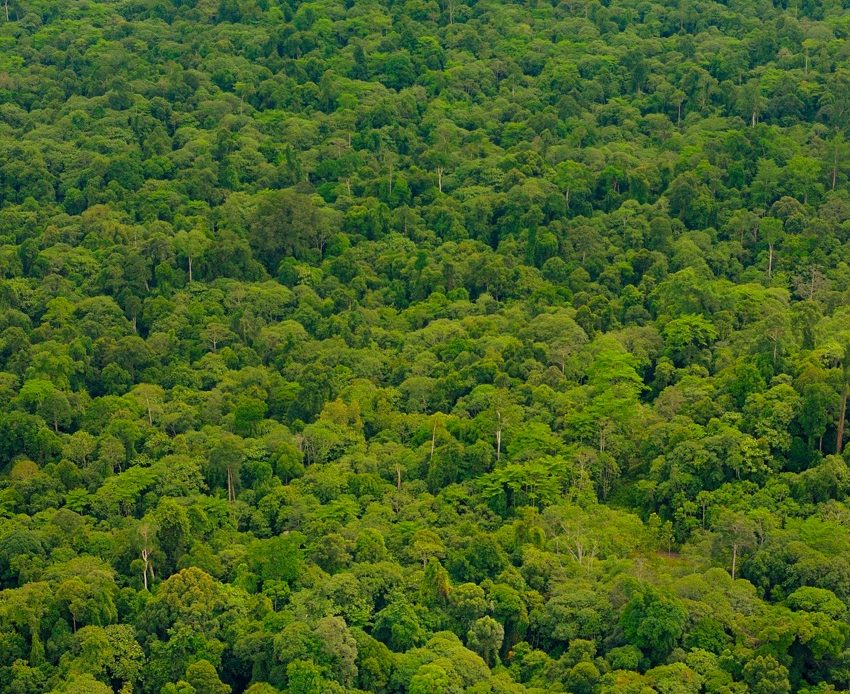
Sabah’s tourism industry is built almost entirely on nature — rainforest, reef, and wildlife that took millions of years to form and can be degraded within a single generation of careless use. The good news is that responsible travel here isn’t really a sacrifice; in most cases it’s simply the version of the experience that was better to begin with.
Choose Operators With Real Accreditation
Not every tour operator advertising “eco” or “responsible” travel actually operates that way. Look for operators working within Sabah Parks-managed areas (which come with enforced visitor caps and environmental guidelines by default) and those affiliated with recognised bodies such as the Sabah Tourism Board. A guide’s willingness to walk away from a guaranteed wildlife photo rather than push closer or use call playback is usually a good practical signal of genuine responsible practice.
Wildlife Viewing Without Interference
The single most damaging habit in wildlife tourism is proximity — getting closer than an animal is comfortable with, for a better photo or a longer look. This applies as much to orangutans in Danum Valley as it does to turtles in Sipadan or proboscis monkeys along the Kinabatangan. Good practice is straightforward: maintain distance, never feed wildlife (which can create dangerous dependency and behavioural change), and support operators who train their guides to prioritise animal welfare over guest satisfaction in the moment.
Plastic and Waste on River and Reef Trips
Single-use plastic remains one of the most visible problems along Sabah’s rivers and coastlines. Carrying a reusable water bottle, refusing single-use packaging where possible, and packing out anything brought in are small individual habits, but they matter disproportionately in remote areas where waste management infrastructure is limited or nonexistent.
Diving and Reef Contact
Around Sipadan, Mabul, and Kapalai, reef-safe sunscreen and strict buoyancy control matter more than most divers initially realise — accidental fin contact with coral, even brief, can damage decades of growth. Choosing dive operators who brief this clearly before every dive, rather than treating it as an afterthought, is a reasonable filter for quality.
Supporting Communities, Not Just Sites
Sustainable travel in Sabah extends beyond the environment to the indigenous and local communities whose land and culture form much of the tourism draw in the first place. Choosing homestays, community-run cultural experiences, and locally owned guiding services — rather than exclusively large international operators — keeps a larger share of tourism revenue within the communities actually hosting visitors.
The Underlying Principle
Almost every specific recommendation above traces back to one idea: travel in a way that leaves Sabah’s rainforest, reef, and communities in the same or better condition than you found them. Given how much of Sabah’s appeal depends on that natural and cultural capital staying intact, this isn’t really a separate ethical add-on to travel here — it’s close to the whole point.


